
How Can a Kids Coloring Book Transform Creativity and Learning?
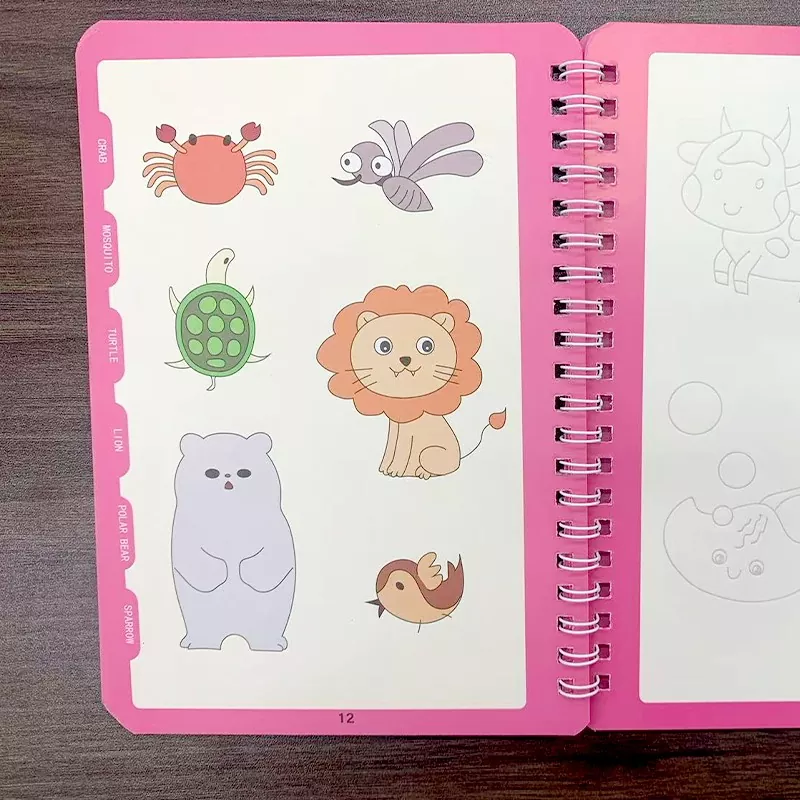
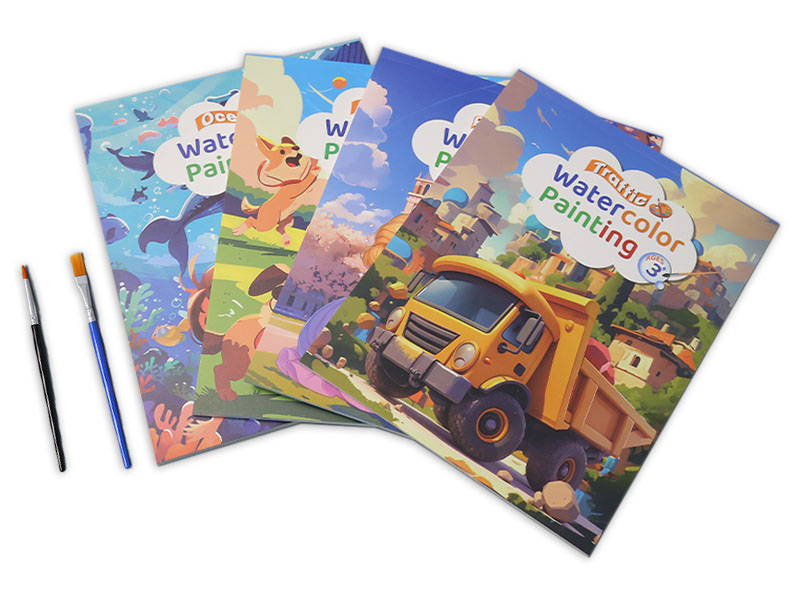
Kids coloring books are more than just simple entertainment tools—they are powerful instruments for early childhood development, creativity enhancement, and emotional growth. In this comprehensive guide, we explore how coloring books benefit children, how to choose the right one, and how parents and educators can maximize their impact. Whether you're a parent, teacher, or distributor, this article addresses common concerns and provides actionable insights.
Table of Contents
- Introduction
- Why Are Kids Coloring Books Important?
- How Do Coloring Books Support Child Development?
- How to Choose the Best Kids Coloring Book?
- What Types of Kids Coloring Books Are Available?
- Traditional vs Digital Coloring Books
- How to Use Coloring Books Effectively?
- What Makes a High-Quality Coloring Book?
- Key Features Comparison Table
- Common Mistakes to Avoid
- FAQ
- Conclusion
Introduction
In a world increasingly dominated by digital screens, kids coloring books remain a timeless and valuable resource for children’s growth. Parents often struggle to find engaging, educational, and safe activities for their children. Coloring books provide a perfect balance—they are affordable, accessible, and incredibly beneficial.
This article dives deep into how kids coloring books can transform creativity and learning, while addressing common concerns such as age-appropriateness, quality, and educational value.
Why Are Kids Coloring Books Important?
- Encourage creativity and imagination
- Reduce screen time
- Improve focus and patience
- Provide a calming, stress-relieving activity
Coloring allows children to express themselves freely without the pressure of rules. It also helps them develop a sense of accomplishment as they complete each page.
How Do Coloring Books Support Child Development?
Coloring books contribute significantly to multiple areas of child development:
- Fine Motor Skills: Holding crayons improves hand strength and coordination.
- Cognitive Development: Recognizing colors, shapes, and patterns enhances learning.
- Emotional Growth: Coloring provides a safe outlet for emotions.
- Language Skills: Discussing pictures expands vocabulary.
These benefits make coloring books an essential educational tool, especially in early childhood.
How to Choose the Best Kids Coloring Book?
Choosing the right coloring book can be challenging. Here are key factors to consider:
- Age Appropriateness: Simple designs for younger kids, detailed ones for older children
- Theme: Animals, cartoons, educational topics, etc.
- Paper Quality: Thick paper prevents ink bleed-through
- Safety: Non-toxic printing materials
Parents should always prioritize safety and educational value when selecting products.
What Types of Kids Coloring Books Are Available?
- Educational Coloring Books: Teach numbers, alphabets, and science concepts
- Activity Coloring Books: Include puzzles and games
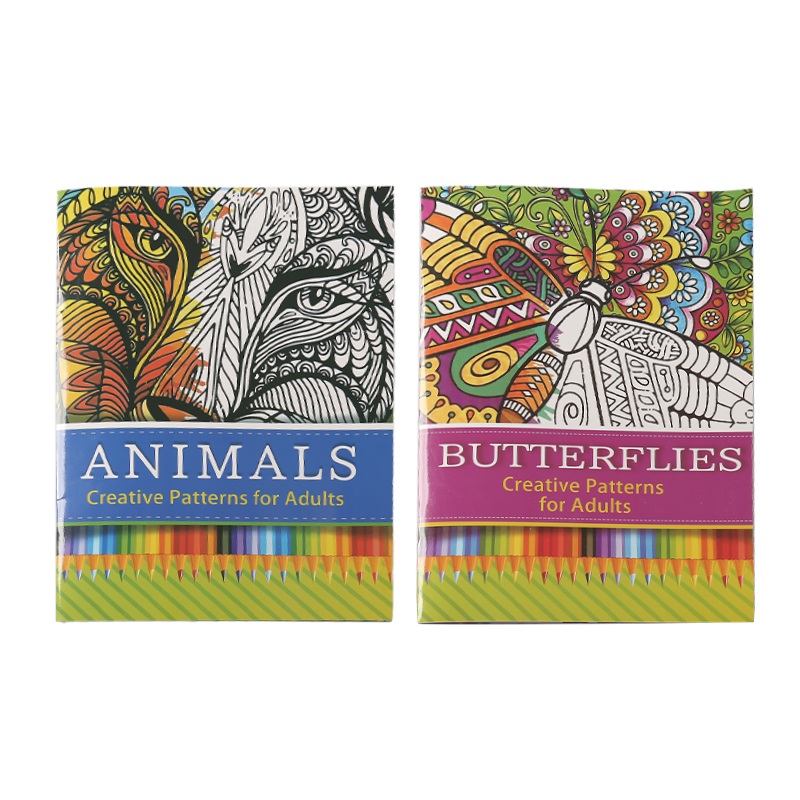
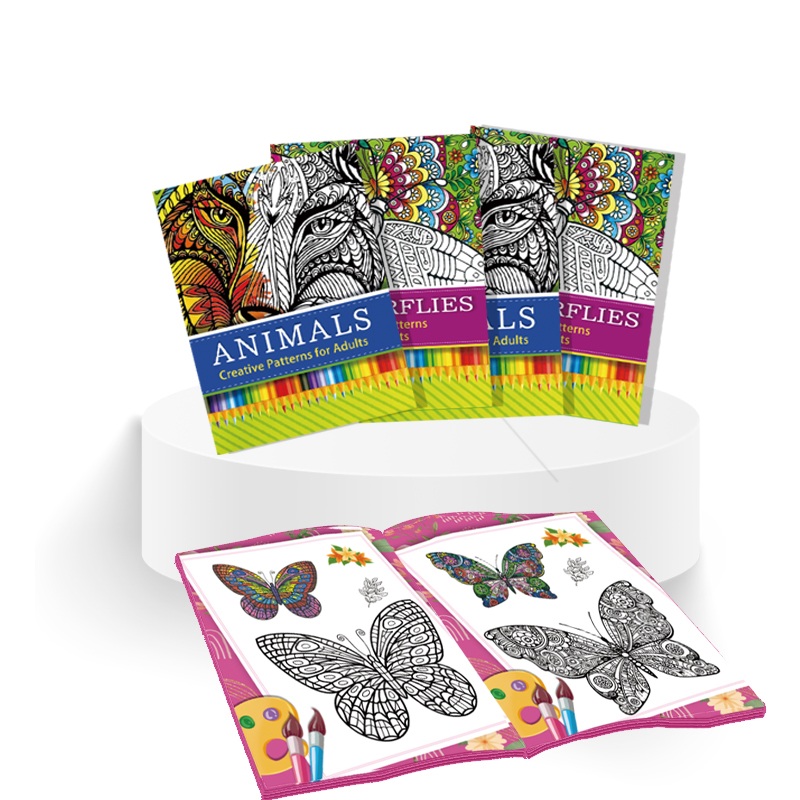
- Themed Coloring Books: Focus on animals, vehicles, or fantasy
- Reusable Coloring Books: Allow repeated use with wipe-clean pages
Each type serves a unique purpose, making it important to match the book with the child’s interests and needs.
Traditional vs Digital Coloring Books
| Feature | Traditional Coloring Books | Digital Coloring Apps |
|---|---|---|
| Screen Time | No | Yes |
| Creativity | High | Moderate |
| Convenience | Requires materials | Portable |
| Learning Impact | Hands-on development | Limited tactile experience |
While digital options are convenient, traditional coloring books offer more developmental benefits.
How to Use Coloring Books Effectively?
- Set a dedicated coloring time daily
- Encourage creativity without strict rules
- Use coloring as a bonding activity
- Combine coloring with storytelling
Parents who actively engage with their children during coloring sessions can significantly enhance the experience.
What Makes a High-Quality Coloring Book?
A premium kids coloring book should include:
- Clear, bold outlines
- Age-appropriate illustrations
- Durable, eco-friendly paper
- Engaging and educational content
Manufacturers like Wenzhou Qide Cultural and Creative Co., Ltd. focus on producing high-quality, safe, and visually appealing coloring books that meet global standards.
Key Features Comparison Table
| Feature | Basic Coloring Book | Premium Coloring Book |
|---|---|---|
| Paper Quality | Thin | Thick & Durable |
| Design Complexity | Limited | Diverse & Engaging |
| Educational Value | Low | High |
| Safety Standards | Basic | Certified Safe Materials |
Common Mistakes to Avoid
- Choosing overly complex designs for young children
- Ignoring paper quality
- Forcing children to color within lines strictly
- Over-relying on digital alternatives
Avoiding these mistakes ensures a more enjoyable and beneficial experience.
FAQ
Q1: At what age should kids start using coloring books?
A: Children can start as early as 2 years old with simple designs.
Q2: Are coloring books educational?
A: Yes, they enhance cognitive, motor, and emotional development.
Q3: How often should kids use coloring books?
A: Daily use for 15–30 minutes is ideal.
Q4: What materials are best for coloring?
A: Crayons for younger kids, colored pencils or markers for older children.
Q5: Are reusable coloring books worth it?
A: Yes, they are eco-friendly and cost-effective.
Conclusion
Kids coloring books are more than just fun—they are essential tools for creativity, learning, and development. By choosing the right type and using them effectively, parents and educators can unlock a child’s full potential.
If you are looking for high-quality, customizable coloring books, Wenzhou Qide Cultural and Creative Co., Ltd. offers professional solutions tailored to your needs.
Contact us today to discover how we can help you create engaging and safe coloring books that children will love!
Related News
- OEM Groove Copybooks: What Should Overseas Buyers Prepare Before Production?
- 3D Groove Copybook vs. Traditional Handwriting Workbook: What Buyers Should Know
- How to Choose a Groove Copybook Manufacturer for Your Brand
- What Makes a Good Practice Copybook? Insights from a Custom Manufacturer
- Complete Guide to Groove Calligraphy Copybooks: Matching Groove Depth & Ink Viscosity from Principles to Practice
- Why 80% of 3D Groove Copybooks Suffer Amazon 1-Star Reviews: A Direct Factory Quality Control Guide
Leave me a message