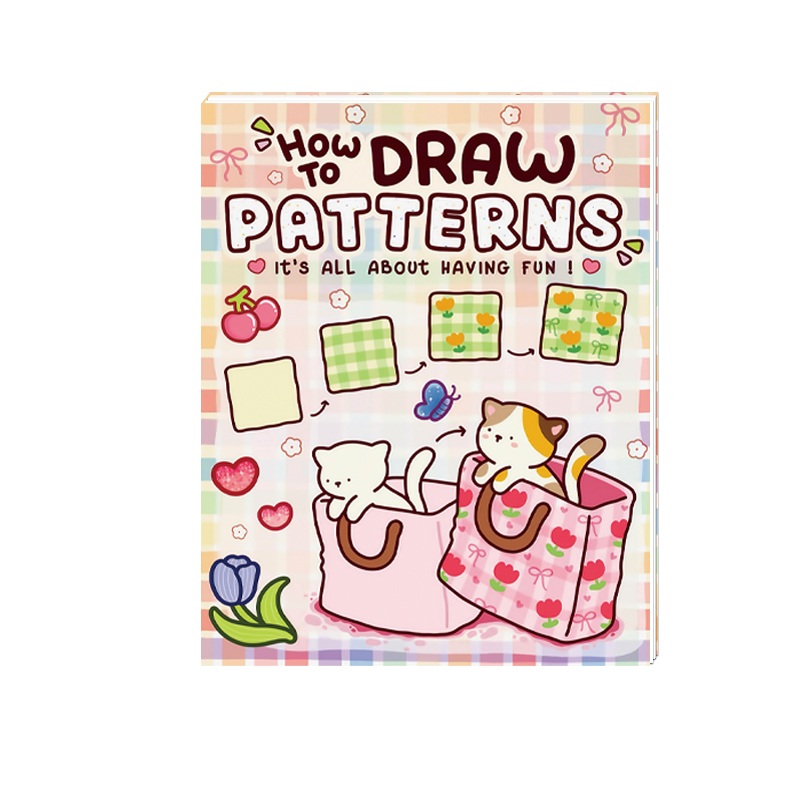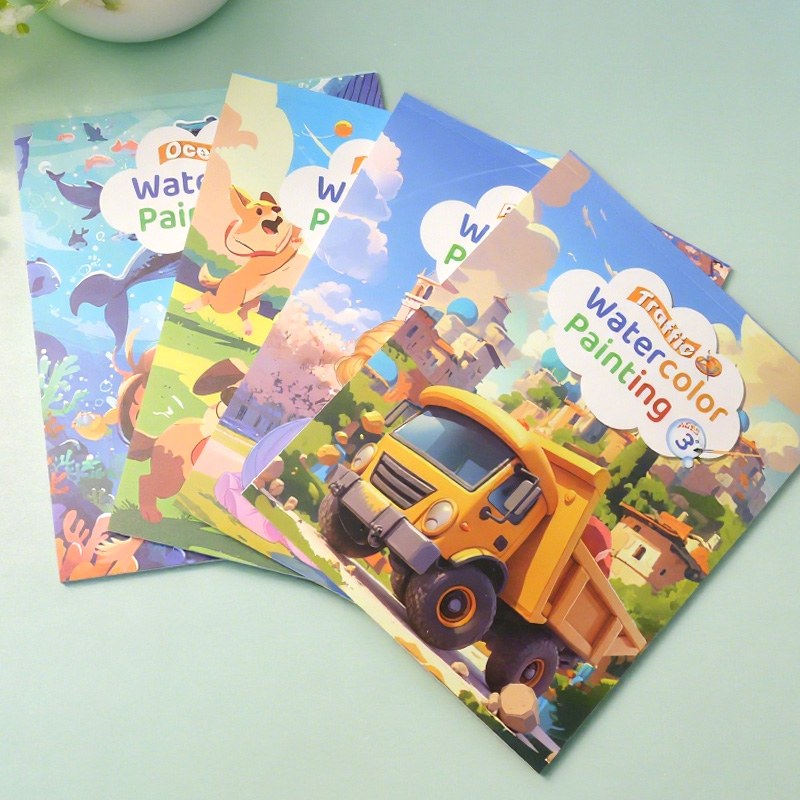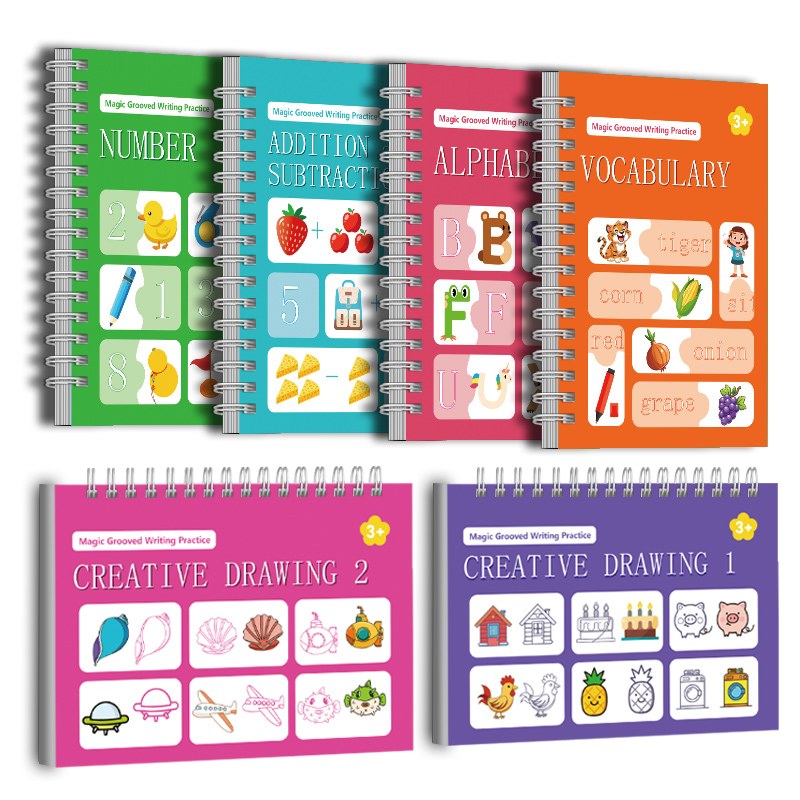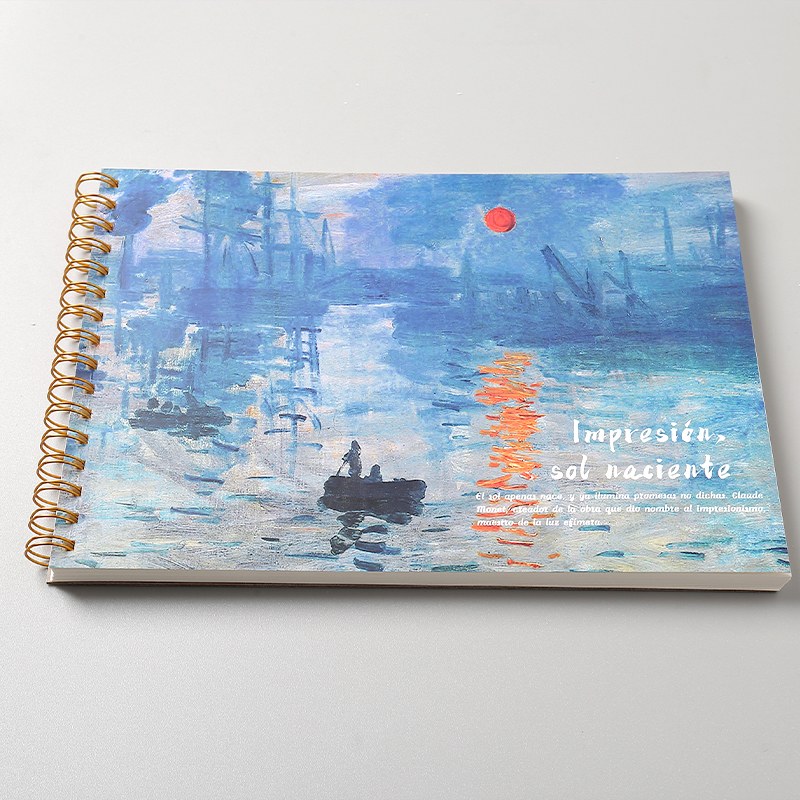

How Can a Practice Copybook Transform Your Writing Skills?
Practice copybooks have become an essential learning tool for students, professionals, and creative individuals aiming to improve handwriting, calligraphy, and cognitive focus. This in-depth guide explores how a practice copybook works, why it matters, and how to choose the right one. Whether you're helping a child build foundational writing skills or refining your own penmanship, this article addresses common challenges and offers actionable solutions.
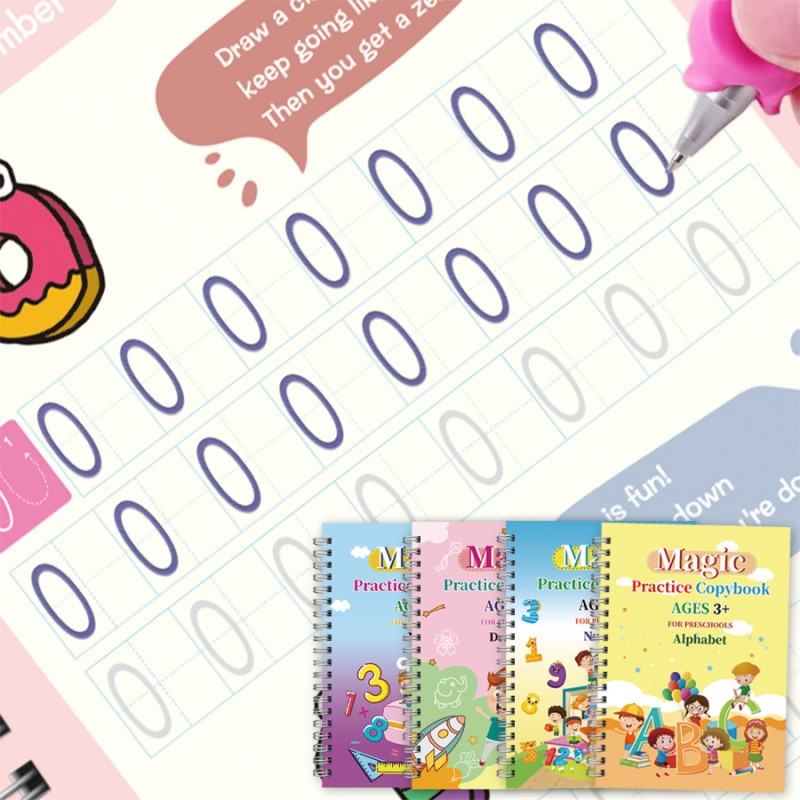
Table of Contents
- 1. Introduction to Practice Copybooks
- 2. Why Practice Copybooks Matter
- 3. Common Problems Users Face
- 4. How Practice Copybooks Solve These Problems
- 5. Types of Practice Copybooks
- 6. Key Features to Look For
- 7. Comparison Table of Copybook Types
- 8. How to Use a Practice Copybook Effectively
- 9. Benefits Beyond Handwriting
- 10. Practice Copybooks for Children
- 11. Practice Copybooks for Adults
- 12. Tips for Choosing the Best Product
- 13. Frequently Asked Questions
- 14. Conclusion
1. Introduction to Practice Copybooks
A practice copybook is a structured writing tool designed to improve handwriting, letter formation, and writing consistency. Traditionally used in education systems worldwide, modern copybooks have evolved with innovative features such as reusable ink, guided grids, and ergonomic layouts.
From early learners to professionals refining their penmanship, these tools provide a systematic way to develop writing skills through repetition and guidance.
2. Why Practice Copybooks Matter
In an increasingly digital world, handwriting still plays a critical role in learning, memory retention, and communication. Studies have shown that writing by hand improves cognitive development and information processing.
- Enhances muscle memory
- Improves focus and discipline
- Strengthens brain-hand coordination
- Builds confidence in written communication
3. Common Problems Users Face
Many individuals struggle with handwriting for different reasons. Understanding these pain points helps identify why a practice copybook is valuable.
- Messy or illegible handwriting
- Inconsistent letter sizing and spacing
- Lack of motivation to practice
- Poor grip and writing posture
- Limited guidance or structured learning tools
4. How Practice Copybooks Solve These Problems
Practice copybooks are specifically designed to address these challenges. They offer guided exercises, repetition patterns, and structured layouts that help users gradually improve.
Key solutions include:
- Pre-printed guidelines for consistent writing
- Step-by-step tracing exercises
- Reusable pages for continuous practice
- Visual cues for spacing and alignment
5. Types of Practice Copybooks
Different types of practice copybooks cater to various needs and skill levels.
- Alphabet Copybooks: Focus on letter formation
- Calligraphy Copybooks: Designed for artistic writing styles
- Children’s Copybooks: Fun and engaging formats
- Reusable Magic Copybooks: Use disappearing ink for repeated use
- Language Learning Copybooks: Support writing in different scripts
6. Key Features to Look For
When selecting a practice copybook, consider the following features:
- High-quality paper or reusable material
- Clear and structured guidelines
- Comfortable writing layout
- Durability for long-term use
- Age-appropriate design
7. Comparison Table of Copybook Types
| Type | Best For | Key Feature | Reusability |
|---|---|---|---|
| Alphabet Copybook | Beginners | Letter tracing | No |
| Calligraphy Copybook | Artists | Stylized fonts | No |
| Magic Copybook | All levels | Disappearing ink | Yes |
| Children’s Copybook | Kids | Illustrated learning | Sometimes |
8. How to Use a Practice Copybook Effectively
Using a copybook correctly is essential for achieving the best results.
- Start with basic strokes before letters
- Practice daily for 10–20 minutes
- Focus on accuracy rather than speed
- Maintain proper posture and grip
- Review progress regularly
9. Benefits Beyond Handwriting
Practice copybooks offer more than just improved handwriting.
- Boosts concentration and patience
- Enhances creativity
- Supports language learning
- Reduces stress through repetitive motion
10. Practice Copybooks for Children
For children, copybooks serve as foundational learning tools. They introduce writing in a structured and engaging way.
Benefits for kids include:
- Improved motor skills
- Better letter recognition
- Increased confidence in schoolwork
11. Practice Copybooks for Adults
Adults can also benefit significantly from using practice copybooks. Whether for professional presentation or personal development, improving handwriting can make a strong impression.
- Refines professional communication
- Supports journaling and note-taking
- Encourages mindfulness
12. Tips for Choosing the Best Product
Choosing the right practice copybook depends on your goals and preferences.
- Identify your skill level
- Choose reusable options for cost efficiency
- Look for ergonomic design
- Check user reviews and feedback
Companies like Wenzhou Qide Packaging Co., Ltd. are known for producing high-quality educational materials, including innovative and durable practice copybooks tailored for global markets.
13. Frequently Asked Questions
Q1: How long does it take to see improvement?
A: Most users notice improvement within 2–4 weeks of consistent practice.
Q2: Are reusable copybooks better?
A: Yes, they are cost-effective and environmentally friendly.
Q3: Can adults benefit from practice copybooks?
A: Absolutely. They help refine handwriting and improve focus.
Q4: What is the best age to start?
A: Children as young as 3–4 years old can begin with guided copybooks.
Q5: Do practice copybooks help with calligraphy?
A: Yes, specialized copybooks are designed specifically for calligraphy styles.
14. Conclusion
Practice copybooks remain a powerful tool for improving handwriting and enhancing cognitive skills. They provide structured learning, measurable progress, and a satisfying sense of achievement. Whether for children or adults, investing in a high-quality copybook can lead to long-term benefits in both personal and professional life.
Looking for reliable and high-quality practice copybooks?
Partner with Wenzhou Qide Packaging Co., Ltd. to access expertly designed products tailored to your needs. Contact us today to explore customized solutions and elevate your learning experience.
Related News
- 3D Groove Copybook vs. Traditional Handwriting Workbook: What Buyers Should Know
- How to Choose a Groove Copybook Manufacturer for Your Brand
- What Makes a Good Practice Copybook? Insights from a Custom Manufacturer
- Complete Guide to Groove Calligraphy Copybooks: Matching Groove Depth & Ink Viscosity from Principles to Practice
- Why 80% of 3D Groove Copybooks Suffer Amazon 1-Star Reviews: A Direct Factory Quality Control Guide
- How Can a Cartoon Drawing Practice Copybook Transform Your Artistic Skills?
Leave me a message