
OEM Groove Copybooks: What Should Overseas Buyers Prepare Before Production?
OEM projects often look simple at the beginning.
A buyer provides a logo, the factory produces the product, and the finished copybooks are shipped.
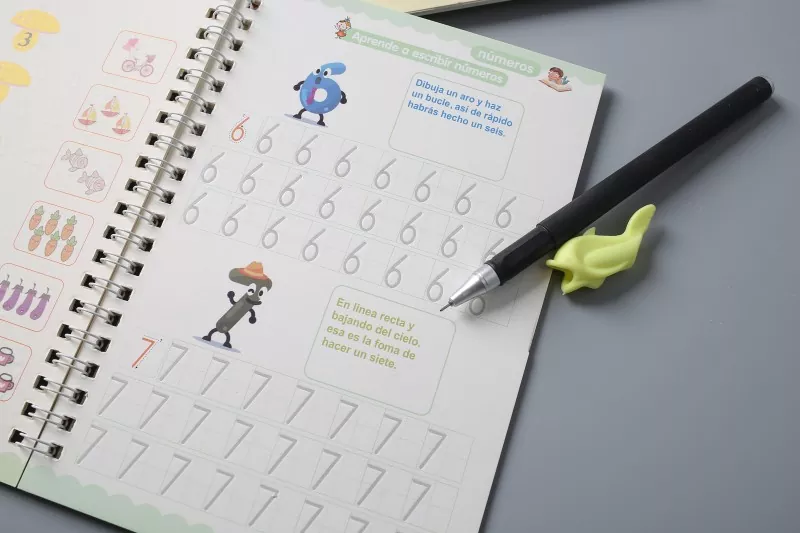
In practice, a customized Groove Copybook requires much more preparation. Educational content, writing style, paper, groove structure, page size, accessories, and packaging all need to be confirmed before production.
A clear specification at the beginning can save considerable time later.
Start With the Target Market
The first question should not be “What size should the copybook be?”
It should be “Who is going to use it?”
The target age group, country, language, educational level, and sales channel will influence nearly every later decision.
A preschool product for the European market may require very different content from a handwriting product developed for an Arabic-speaking market.
TotoFish supports customized languages and handwriting styles, including English, French, Arabic, D'Nealian, and Cursive.
Prepare the Educational Content Early
For OEM educational stationery, the interior pages are just as important as the cover.
Buyers should decide whether the product will focus on:
Alphabet practice
Vocabulary
Numbers
Addition and subtraction
Multiplication and division
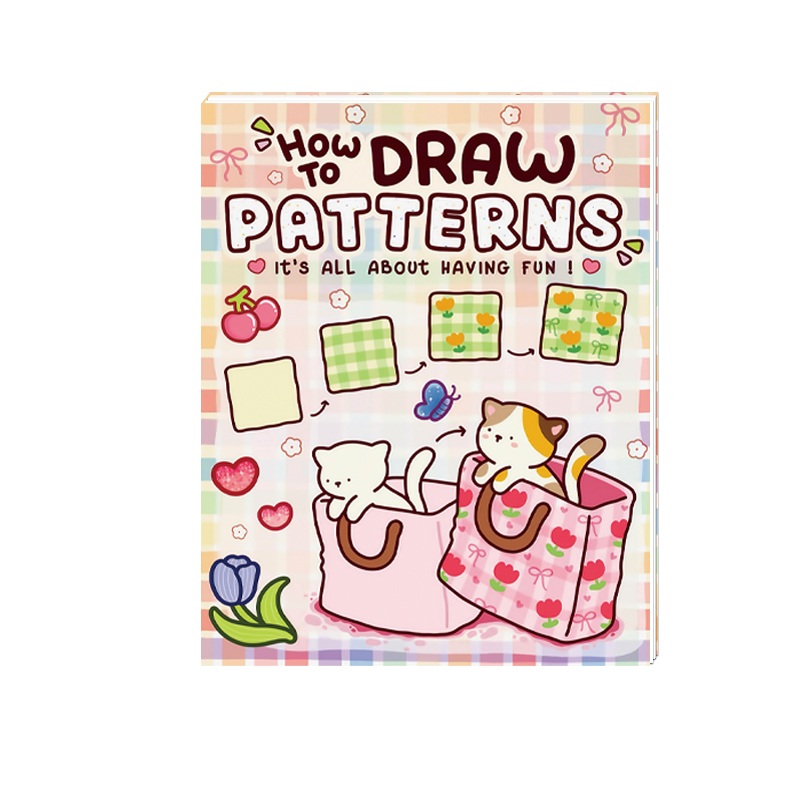
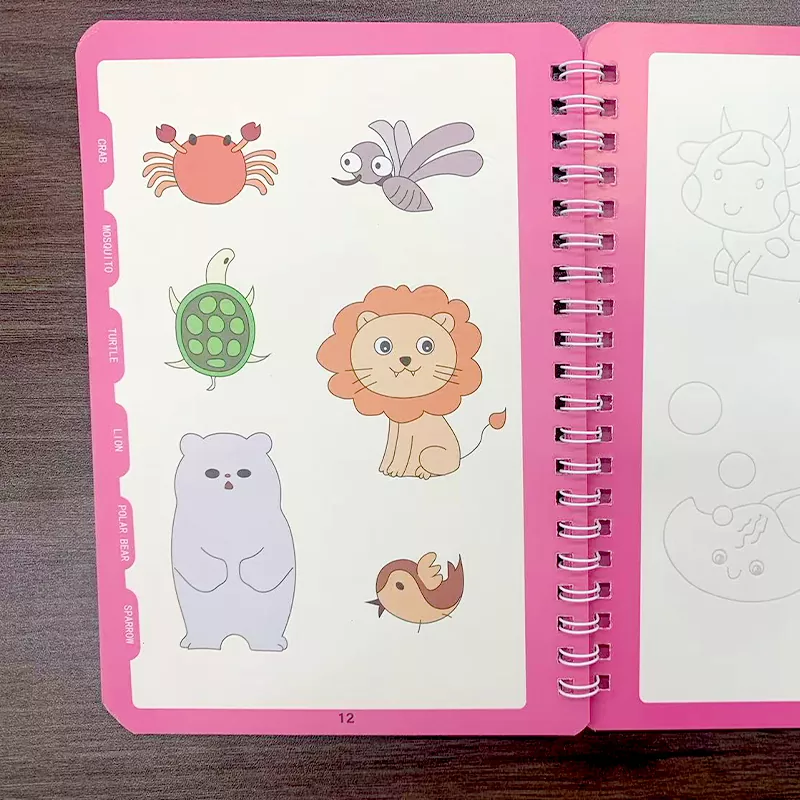
Drawing
Handwriting styles
Or a combination of several themes
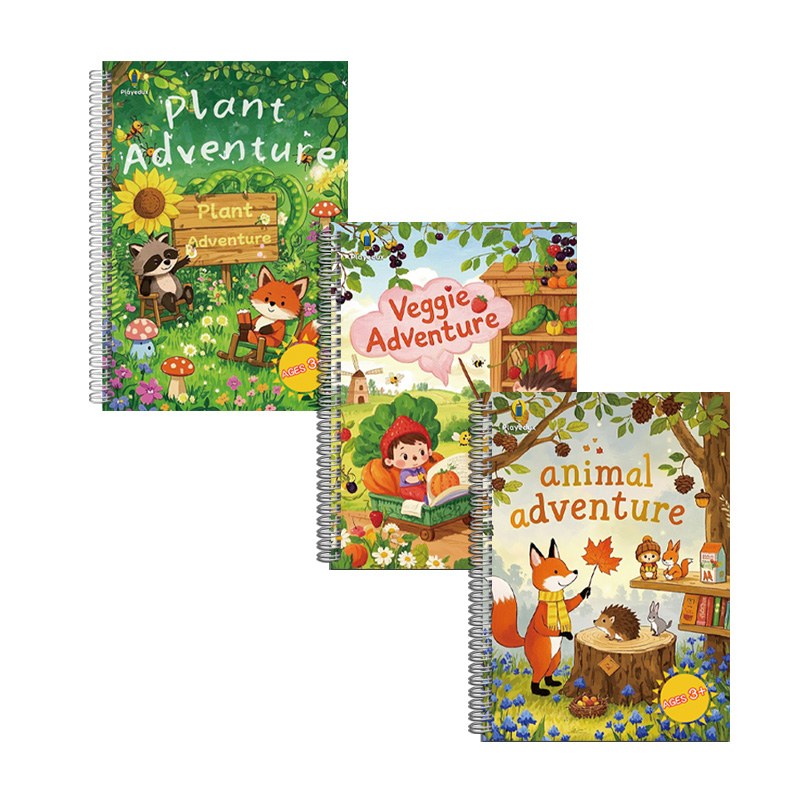
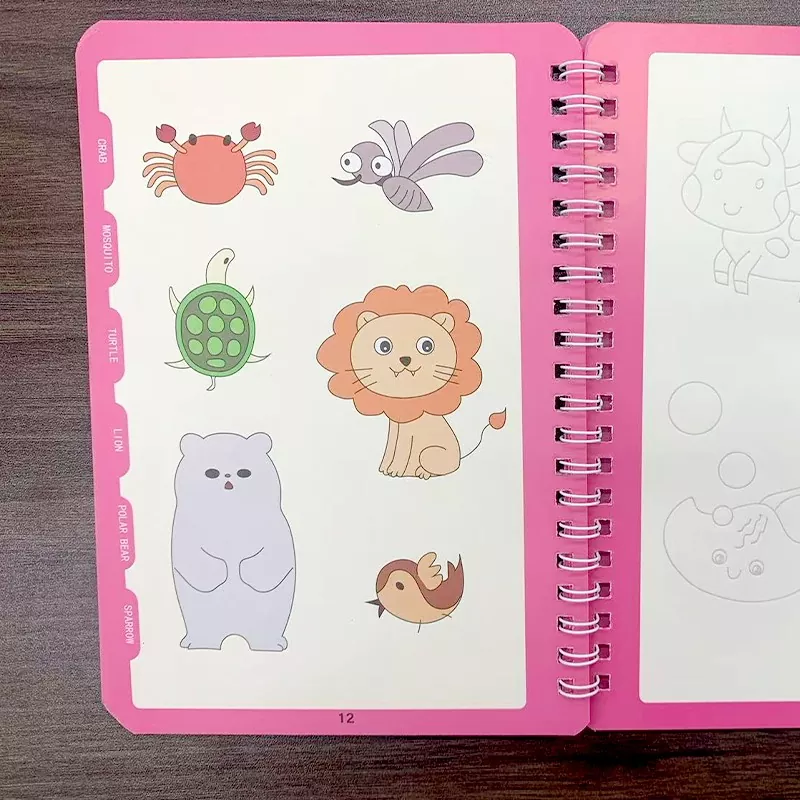
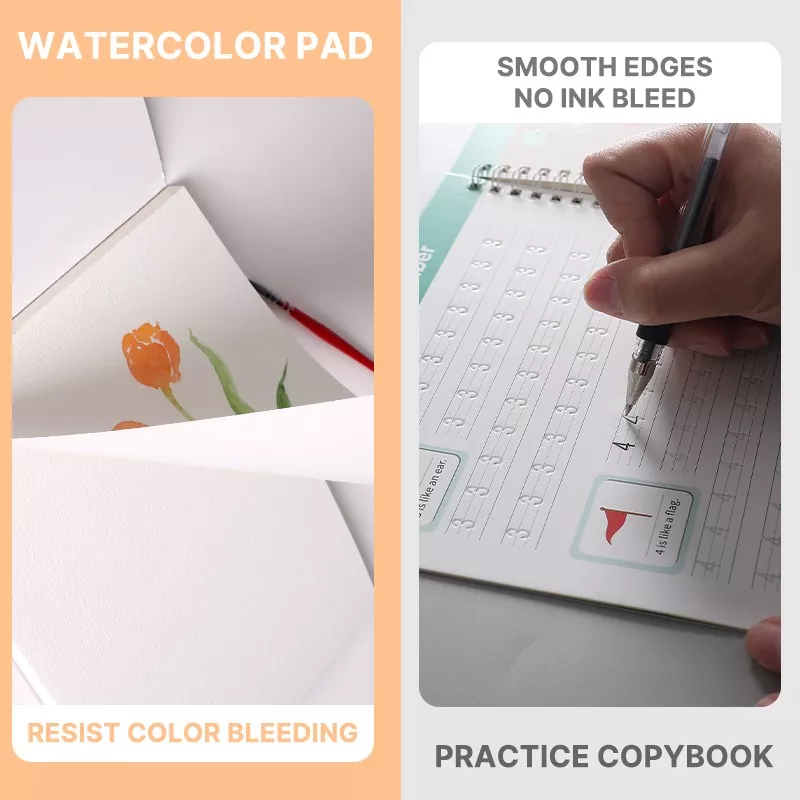
TotoFish's existing Practice Copybook range already covers several of these categories, which can provide a starting reference for buyers developing their own products.
Decide on the Handwriting Style
Handwriting standards can vary between markets.
Some customers prefer traditional print lettering. Others may require cursive or a particular educational handwriting system.
This should be confirmed before the artwork is finalized because the font, groove path, printed guide, and educational content need to match one another.
Changing the handwriting style after groove production begins can result in unnecessary rework.
Confirm the Product Specification
Before sampling, buyers should provide or discuss:
Book size
Number of pages
Paper weight
Cover material
Binding method
Groove structure
Writing tool
Accessory requirements
Packaging format
Carton requirements
The more complete the specification, the easier it is for the manufacturer to calculate costs and prepare an accurate sample.
TotoFish supports customized dimensions and materials for its Practice Copybook products.
Artwork Should Be Prepared for Manufacturing
A finished design file is not always a production-ready file.
The factory may need to check bleed, trim lines, page sequence, font consistency, groove placement, color requirements, and other technical details.
TotoFish uses professional offset printing equipment and CPC color control, while groove processing is handled through CNC equipment.
For OEM buyers, early communication between the design team and factory is therefore important.
Don't Forget the Writing Tools
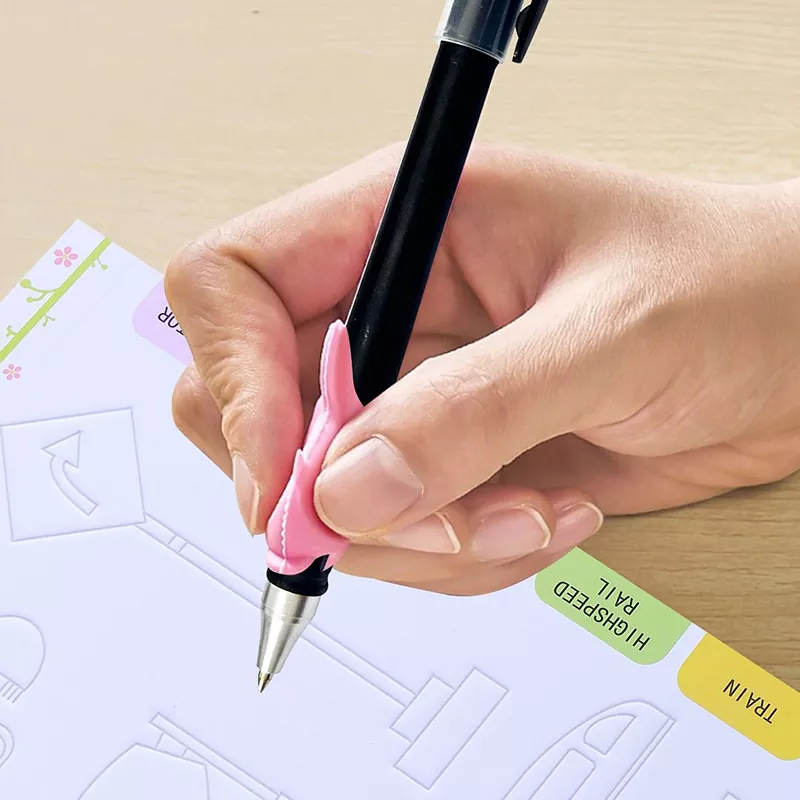
A reusable groove copybook is often sold together with its writing system.
That may include a pen, replacement refill, pencil grip, or other accessories.
TotoFish provides complete kits including books, pens, refills, and grips, allowing buyers to develop the copybook and supporting accessories as one product rather than sourcing each component independently.
This can be especially useful for retail and e-commerce projects where the product needs to be ready for direct sale.
Packaging Should Be Considered Before Mass Production
Packaging is often left until the end of an OEM project, but that can create unnecessary problems.
Retail packaging, gift packaging, and Amazon FBA packaging have different requirements. The product dimensions, accessory layout, barcode area, carton configuration, and labeling may all need to be considered.
TotoFish currently offers ready-to-sell packaging and Amazon FBA-related support, including FNSKU labeling and carton marking.
Sampling Is Where the Project Becomes Real
Digital files cannot show everything.
A physical sample allows the buyer to check:
How the groove feels
Whether the print aligns correctly
Whether the paper feels appropriate
How the pen performs
How quickly the writing fades
How the pages turn
Whether the final packaging matches expectations
TotoFish lists rapid prototyping as part of its service system and currently states that custom samples can be prepared within 3–5 business days, depending on the project.
The exact timing should be confirmed for each project.
Clarify MOQ Before Finalizing the Design
MOQ depends on the level of customization.
According to TotoFish's current service information, private-label customization starts at 1,000 units, while full design and language customization starts at 3,000 units.
These thresholds give buyers a useful starting point when planning a project, but the exact MOQ should be confirmed according to the final specifications.
Protect Your Artwork and Educational Content
For private-label brands, the artwork, educational pages, character designs, and curriculum content may represent considerable investment.
TotoFish includes NDA-based IP protection in its listed services for artwork and curriculum security.
Buyers should still make sure the ownership and permitted use of all custom content are clearly defined before production.
The Best OEM Projects Start With Clear Communication
An OEM Groove Copybook project becomes much easier when both sides agree on the specification before production starts.
The manufacturer needs to understand the market.
The buyer needs to understand the manufacturing limitations.
The final product needs to balance educational usefulness, production cost, durability, packaging, and retail requirements.
For overseas brands, a good OEM relationship is therefore not just about placing an order. It is about developing the right product together.
Wenzhou Qide Cultural and Creative Co., Ltd., under the TotoFish brand, provides customized Groove Copybooks and related children's educational stationery for international buyers.
For a new project, the most efficient starting point is usually a clear product brief followed by a physical sample.
Previous :
-
Related News
- 3D Groove Copybook vs. Traditional Handwriting Workbook: What Buyers Should Know
- How to Choose a Groove Copybook Manufacturer for Your Brand
- What Makes a Good Practice Copybook? Insights from a Custom Manufacturer
- Complete Guide to Groove Calligraphy Copybooks: Matching Groove Depth & Ink Viscosity from Principles to Practice
- Why 80% of 3D Groove Copybooks Suffer Amazon 1-Star Reviews: A Direct Factory Quality Control Guide
- How Can a Cartoon Drawing Practice Copybook Transform Your Artistic Skills?
Leave me a message