
3D Groove Copybook vs. Traditional Handwriting Workbook: What Buyers Should Know
Traditional handwriting workbooks have been part of children's education for many years. They are simple, familiar, and easy to manufacture.
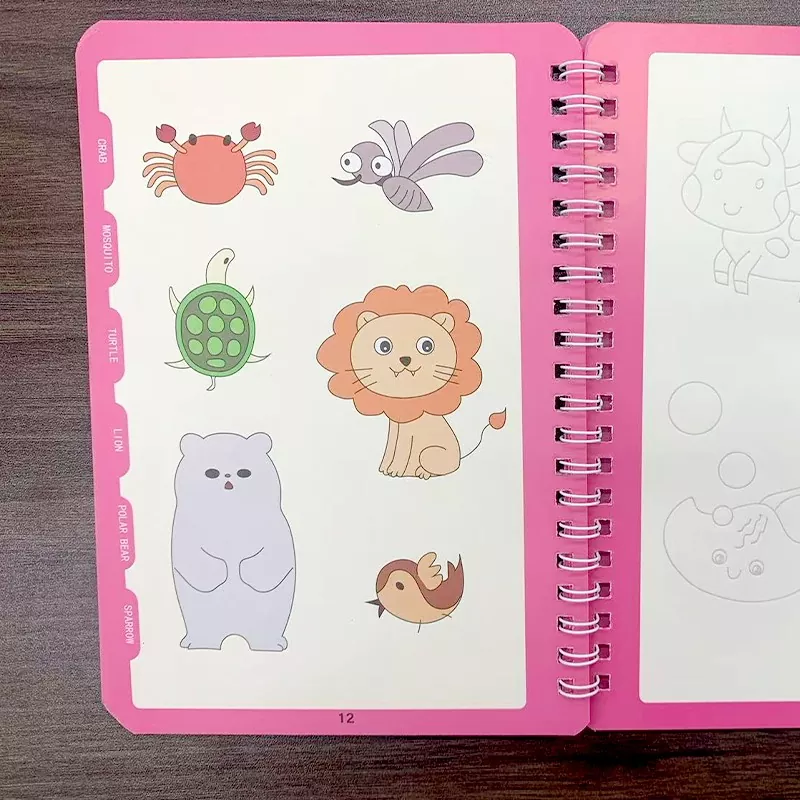
A 3D Groove Copybook approaches handwriting practice differently. Instead of relying mainly on printed lines, it combines printed educational content with a physical groove that provides tactile guidance during writing.
For buyers in the educational stationery market, understanding this difference is useful when deciding which type of product fits a particular customer group or sales channel.
Traditional Workbooks Rely Mainly on Visual Guidance
In a conventional handwriting workbook, the child looks at the printed character and follows the lines or dotted outlines.
This format is straightforward and remains suitable for many learning situations. However, the child still needs to control the pen movement independently.
A 3D Groove Copybook adds another layer of guidance. The groove creates a physical path that the pen can follow, giving the user tactile feedback while writing. TotoFish describes this structure as a way to support pen control and handwriting practice through physical guidance.
The Groove Changes the Writing Experience
The key difference between the two products is not simply that one has grooves and one does not.
The real difference is how the child interacts with the writing path.
With a flat workbook, visual recognition plays the dominant role. With a grooved workbook, the child can also feel the writing path while tracing.
This can be particularly useful in early handwriting practice, where children are still developing hand control and learning how individual letters and numbers are formed.

Repeated Use Creates a Different Product Value
Another important difference is how the product can be used over time.
Traditional paper workbooks are generally consumed as the writing pages are filled. A reusable Practice Copybook is designed around repeated practice.
TotoFish pairs selected copybooks with self-fading writing systems, allowing the writing marks to disappear after use so that the pages can be practiced again.
For families and educational users, repeated use can change the economics of the product. For distributors, it also creates a different selling proposition from conventional single-use workbooks.
Product Design Becomes More Important in Reusable Copybooks
Once a workbook is intended to be used repeatedly, the manufacturing requirements change.
The paper needs to tolerate repeated handling. Grooves need to maintain their structure. Printed elements need to remain clear. The writing system needs to work consistently with the paper.
This means a 3D Groove Copybook requires more attention to the relationship between paper, printing, groove processing, and writing tools.
TotoFish currently uses precision CNC groove processing and professional offset printing as part of its manufacturing system.
Different Products Suit Different Buyers
It would be misleading to say that every 3D Groove Copybook is automatically better than every traditional workbook.
The right product depends on the intended user and sales channel.
A low-cost educational program may prioritize simple printed workbooks. A children's stationery brand may prefer a reusable format with more product differentiation. An e-commerce seller may value a complete set with accessories and retail-ready packaging.
For this reason, buyers should start with the market requirement rather than choosing a product simply because it is newer.
Content Is Another Important Difference
A handwriting workbook can be adapted to different learning stages, but 3D groove products offer additional possibilities through the combination of printed content and physical tracing paths.
TotoFish currently develops copybooks covering letters, words, numbers, arithmetic, drawing, and preschool learning. Its OEM/ODM service also supports different languages and handwriting styles.
This gives overseas brands more flexibility when creating products for different educational markets.


What Should Buyers Compare?
When comparing traditional workbooks with 3D Groove Copybooks, buyers should look beyond the unit price.
Compare the paper.
Compare the writing experience.
Compare the durability.
Compare the educational content.
Compare the degree of customization.
Compare whether pens and accessories are included.
And most importantly, compare the actual sample rather than relying on product descriptions.
Choosing Based on the End User
For preschool and early handwriting applications, tactile guidance can be a meaningful feature. For more advanced learners, the requirements may be different.
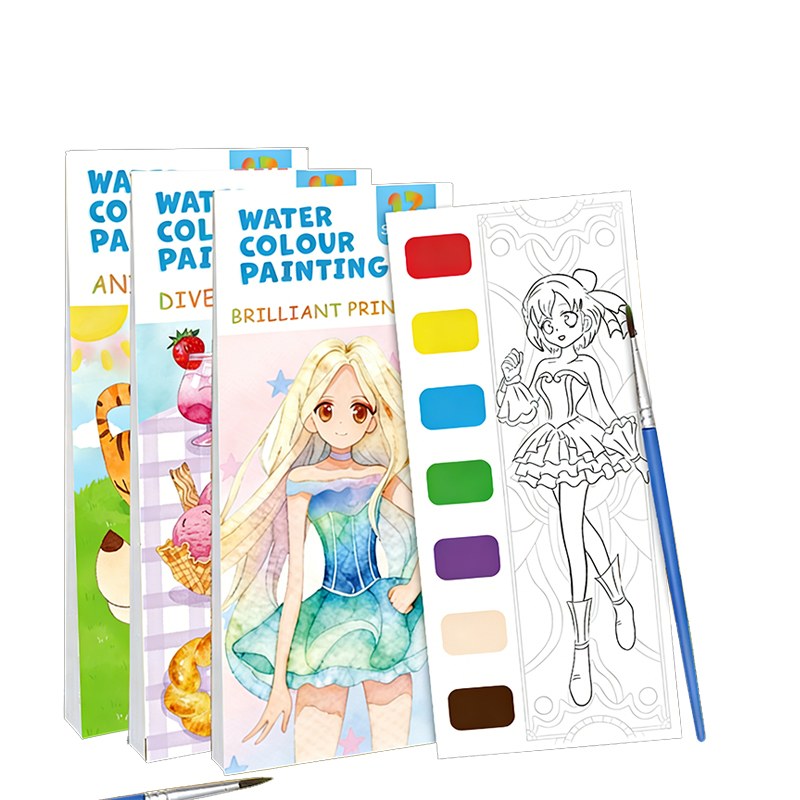
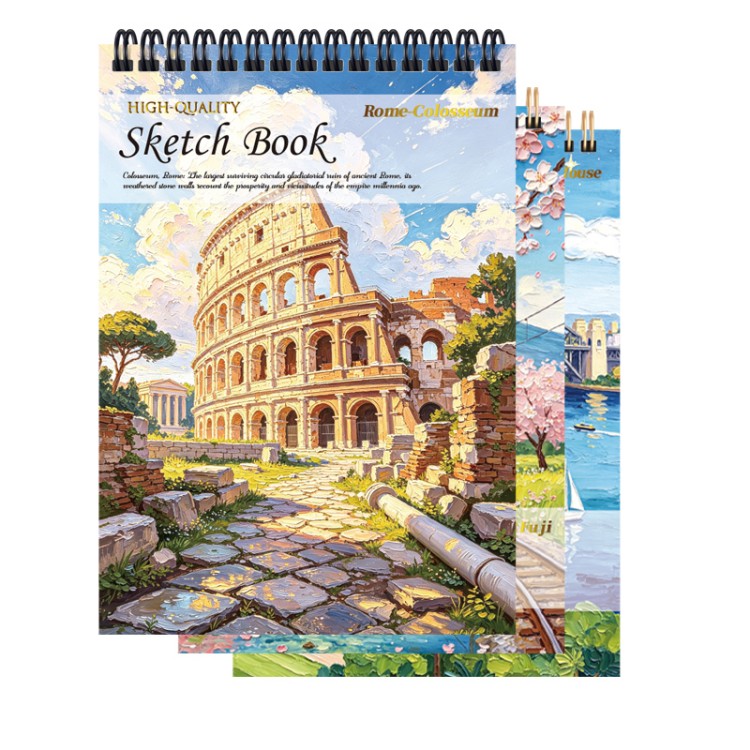
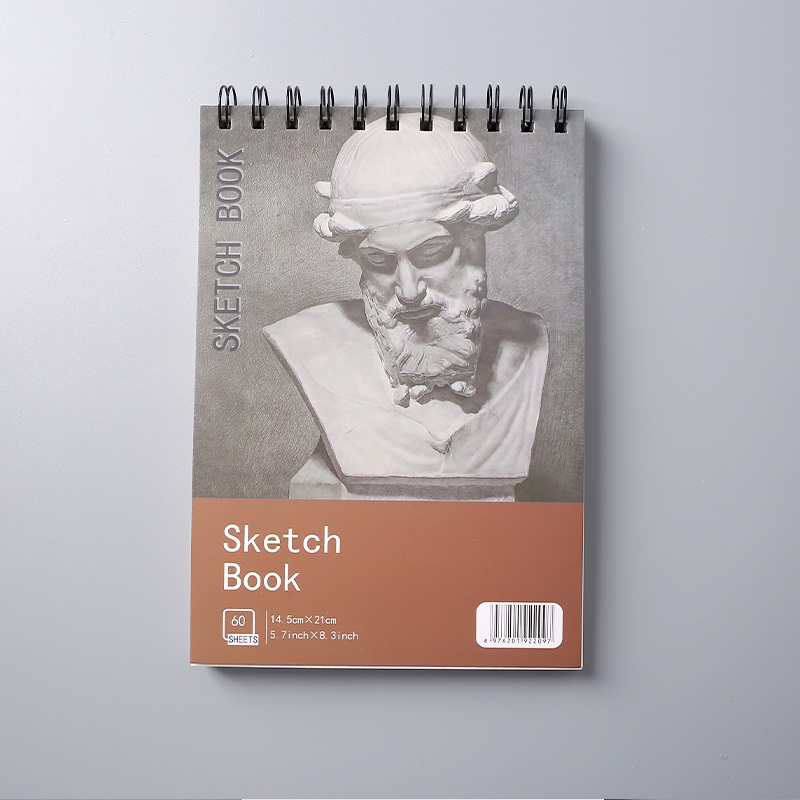
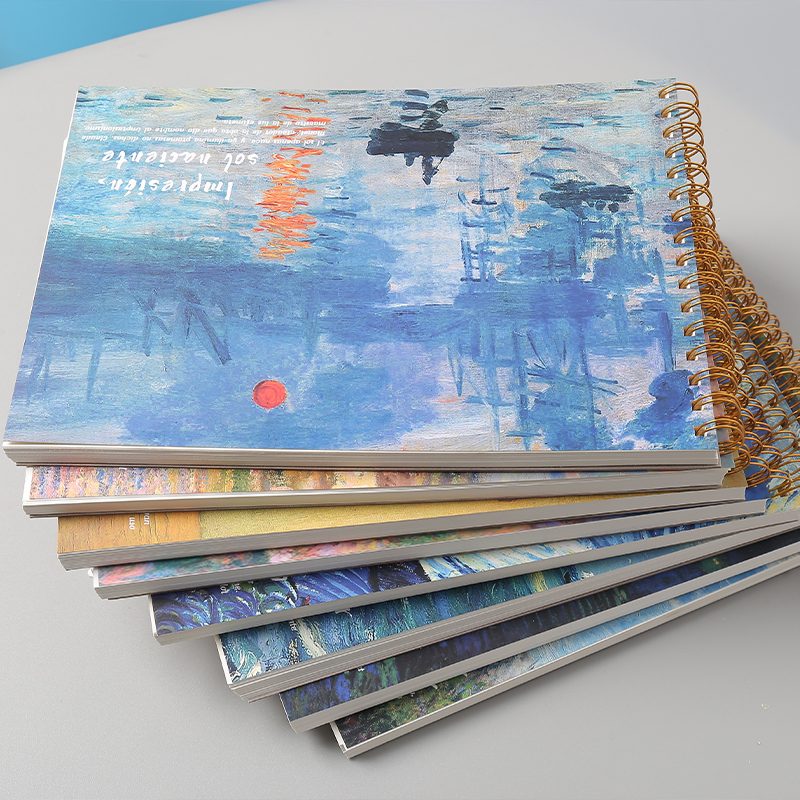
This is why TotoFish develops different educational stationery products rather than relying on a single format. Its product portfolio includes Groove Copybooks together with coloring books, painting products, sketchbooks, notebooks, and related creative stationery.
A buyer can therefore select a product according to the target customer's age, learning purpose, and retail channel.
A Different Approach to Handwriting Practice
The main difference between a 3D Groove Copybook and a traditional handwriting workbook is the way the learning experience is designed.
One primarily provides visual guidance. The other combines visual content with physical guidance and, in reusable versions, repeated practice.
Neither approach needs to replace the other. For manufacturers and buyers, the important question is which format provides the right balance between learning function, product cost, durability, and market differentiation.
That is where a well-developed 3D Groove Copybook can offer a useful alternative for children's educational stationery brands.
Related News
- How to Source Non-Toxic & Leak-Proof Watercolor Coloring Books: A Factory Quality Control Guide
- Exhibition Recap | TotoFish Shines Bright at the 34th Shenzhen International Gifts and Home Products Fair
- OEM Groove Copybooks: What Should Overseas Buyers Prepare Before Production?
- How to Choose a Groove Copybook Manufacturer for Your Brand
- What Makes a Good Practice Copybook? Insights from a Custom Manufacturer
- Complete Guide to Groove Calligraphy Copybooks: Matching Groove Depth & Ink Viscosity from Principles to Practice
Leave me a message